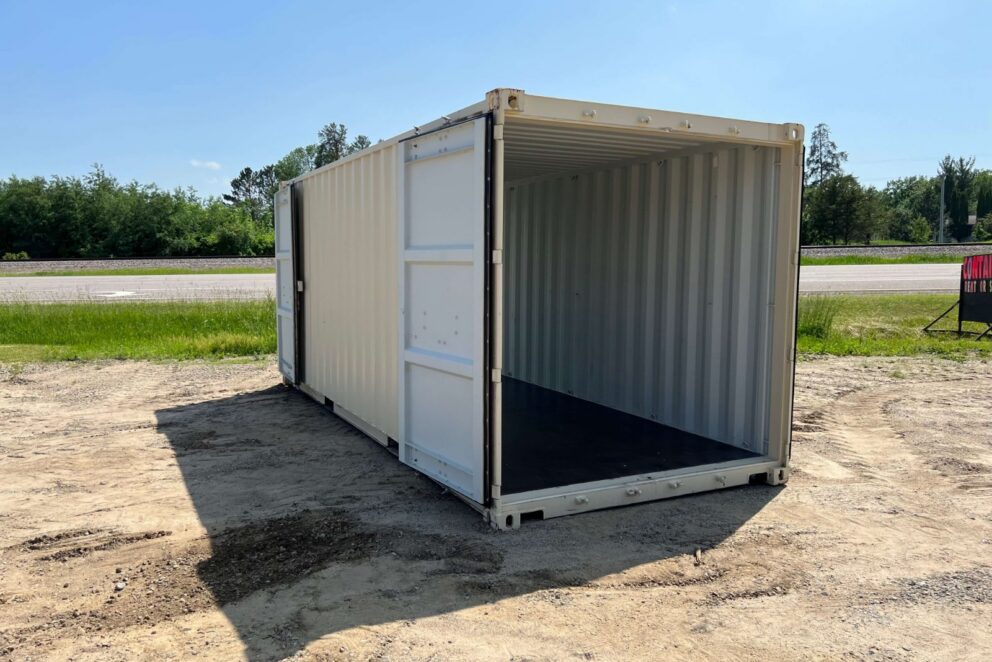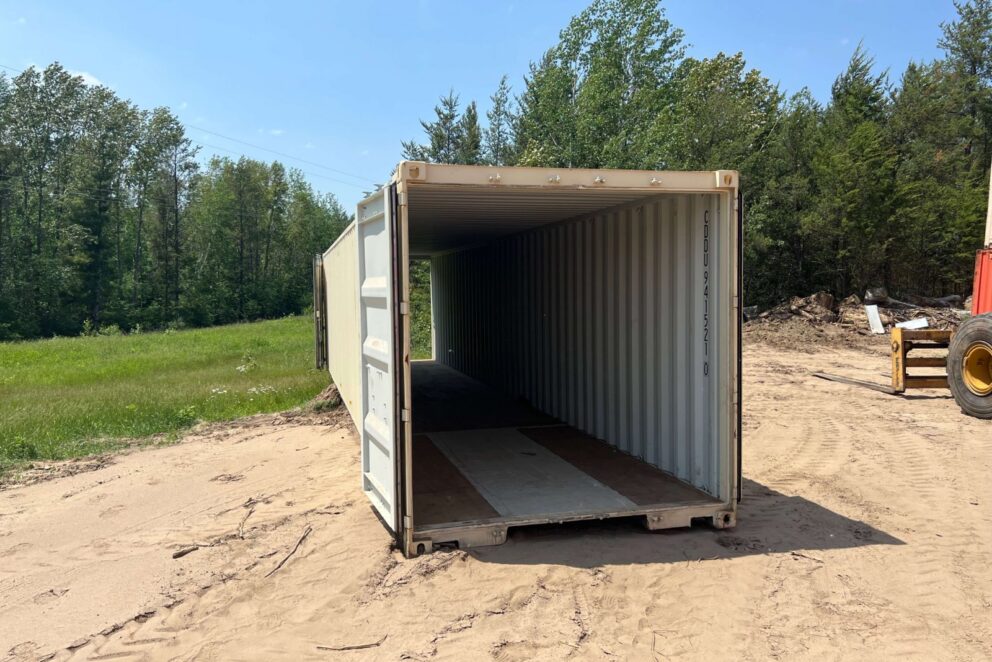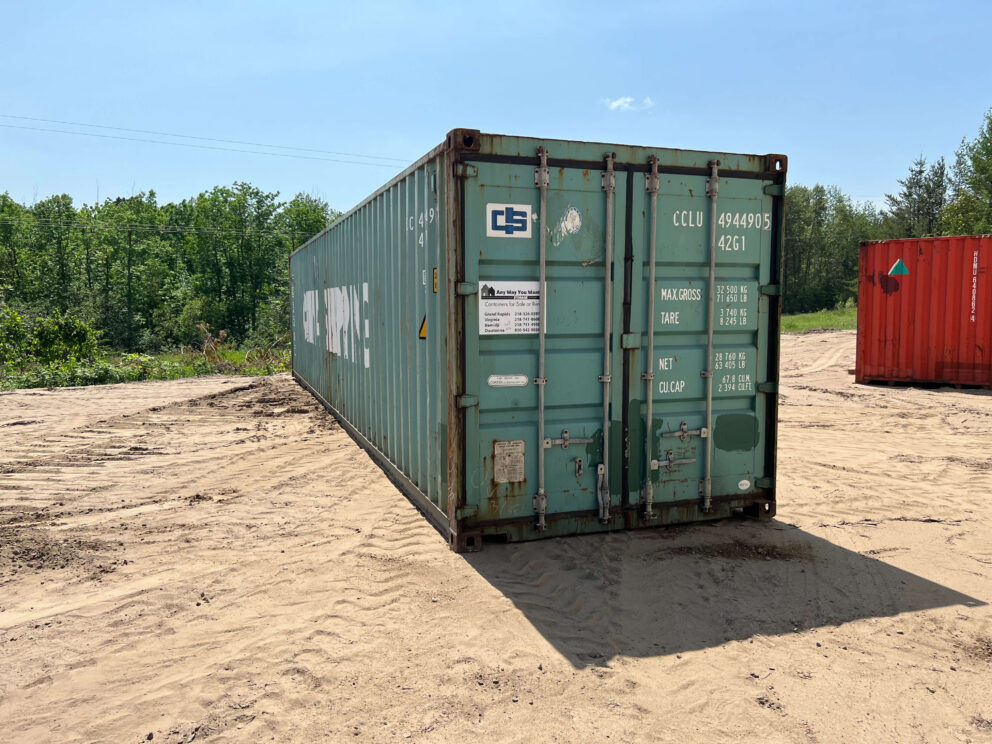
Shipping container insulation slows heat moving through the steel and keeps interior surfaces closer to the air temperature inside. That reduces condensation and evens out temperature swings. It does not heat the container. On its own, insulation will not keep stored items from freezing through a long Minnesota cold snap.
So the real question is what you are storing. Furniture, tools, and most household items usually ride out winter fine in a standard steel container. Electronics, liquids, paint, and anything you plan to work around all winter are a different story.
Why Minnesota Winters Are Hard on an Uninsulated Container
Steel conducts heat quickly. A bare container warms fast on a sunny afternoon and loses that heat just as fast after dark.
Minnesota’s energy code splits the state into two climate zones. Northern counties, including Itasca, St. Louis, Cass, Aitkin, and Crow Wing, sit in climate zone 7, the coldest zone in the contiguous U.S. The rest of the state, including the Steele and Olmsted County areas around our Ellendale and Stewartville yards, is in zone 6A. Either way, you are planning for long stretches below freezing.
Condensation: Why It Can “Rain” Inside a Container
Condensation forms when warm, moist air touches a surface colder than the air’s dew point. In a container, that surface is the steel roof and walls. Moisture collects on the ceiling and drips onto whatever sits below. The industry calls this “container rain.”
The worst moments are often the swings, not the deep freeze. A mild afternoon followed by a hard overnight drop, or opening the doors and letting humid air in, sets it off. Snowy equipment and damp cardboard add more moisture. Moisture that condenses during a warm spell can freeze on the steel, then drip again at the next thaw.
A wind and watertight container keeps out rain and snow. It does not stop condensation inside.
What’s at Risk Inside
- Mold and mildew on furniture, mattresses, fabric, and paper
- Rust on tools, equipment, and metal parts
- Warped wood and collapsed boxes
- Cracked containers from frozen liquids, paint, or chemicals
- Electronics exposed to moisture and repeated cold
What Shipping Container Insulation Does and Doesn’t Do
What it does:
- Slows heat loss and heat gain through the steel
- Keeps interior surfaces warmer, so they are less likely to drop below the dew point
- Smooths out daily temperature swings
- Makes a heater far more effective if you heat the space
What it doesn’t do:
- Heat the container. Without a heat source, an insulated container still cools toward the outdoor temperature over a long cold stretch.
- Guarantee zero condensation. Air leaks, gaps in coverage, and humid air brought in through the doors still cause problems.
- Replace ventilation or good storage habits.
Setups that work in Minnesota combine insulation, vapor control, and either ventilation for unheated storage or a heat source for workspace use.
Shipping Container Insulation Options Compared
Three methods come up most often for steel containers. R-values below are typical per-inch ranges from U.S. Department of Energy research resources. Real performance depends on the product, thickness, and installation.
| Insulation type | Typical R-value per inch | Air and vapor behavior | Best fit | Watch-outs |
|---|---|---|---|---|
| Closed-cell spray foam | About R-6 | Air barrier; typically a Class II vapor retarder at installed thickness | Year-round workspaces and setups where condensation control matters most | Professional install; usually highest upfront cost; needs a code-approved covering in occupied spaces |
| Rigid foam board (EPS, XPS, polyiso) | About R-3.8 to R-6, by type | Board blocks air, but seams must be taped and sealed | Budget projects and DIY installs | Corrugated walls leave gaps behind boards; unsealed seams let moist air reach the steel |
| Mineral wool | About R-3 to R-4 | Not an air barrier; needs a separate vapor retarder | Workshops where fire resistance and sound control matter | Needs framing to hold it; soaks up moisture if the vapor retarder fails |
Closed-Cell Spray Foam
Spray foam fills the corrugations and bonds to the steel, so there is no air gap where moist air can reach cold metal. That is its biggest advantage in a container. The trade-offs are cost and permanence. It needs trained installers and is hard to remove later.
Rigid Foam Board
Boards are easy to buy and cut. Polyiso has the highest R-value per inch of the three board types, followed by XPS, then EPS. The catch is the ribbed walls. Boards sit on the high points and leave pockets behind them, so every seam and gap needs sealing.
Mineral Wool
Mineral wool resists fire and dampens sound, which makes it a common pick for shops. It goes between framing built inside the container and needs a sealed vapor retarder on the interior side. If that layer fails, moisture soaks the insulation and condenses on the steel behind it.
Practical Considerations Before You Insulate
Thickness and Thermal Performance
Total R-value equals R-value per inch times thickness. More thickness slows heat loss more but costs interior space. Steel ribs, framing, and door frames also conduct heat around the insulation, so a container rarely performs at the material’s full rated R-value. The right thickness depends on whether you’ll heat the space, how cold your area gets, and what you’re protecting.
Vapor Control and Ventilation
In cold climates, the building-science rule is to put the vapor retarder on the warm, interior side of the insulation. University of Minnesota cold-climate housing guidance follows the same rule. Closed-cell spray foam can act as its own vapor retarder. Boards and mineral wool need a sealed layer added.
Ventilation still matters. Unheated storage benefits from airflow that swaps humid interior air for drier outside air. Pallets, shelving, and breathable covers help too, as we cover in our guide to preparing your container for winter in Minnesota.
Interior Space Loss
Insulation goes on both walls, so every inch of wall insulation removes two inches of interior width. Framing and a finished wall surface take more. If you need the room, a 40-foot container leaves more working space than a 20-foot container after insulation.
Cost Factors
Online cost averages vary too widely to be useful. Your cost depends on:
- Container size and which surfaces you insulate (walls, ceiling, floor, doors)
- Material type and thickness
- Professional install versus DIY
- Framing, interior finish, and vapor retarder
- Added ventilation, electrical, or heating
Codes and Fire Safety
If the container will be an office, shop, or other occupied space, call your local building department first. Building codes generally require foam insulation in occupied spaces to be covered by an approved thermal barrier. Long-term or modified containers may also need permits, as we explain in shipping container foundations for Minnesota ground.
Do You Need an Insulated Container?
| Your use | Insulation needed? |
|---|---|
| Furniture, household goods, or tools for one winter | Usually not. Focus on moisture control, pallets, and airflow. |
| Seasonal gear like mowers, bikes, and lawn equipment | Usually not. Load items clean and dry. |
| Electronics, documents, or sensitive inventory | Worth considering, with vapor control |
| Liquids, paint, or chemicals that can’t freeze | Insulation alone won’t protect them. Plan for heat or store them elsewhere. |
| Heated office, workshop, or job-site space | Yes. Plan insulation, vapor control, ventilation, and heat together. |
Insulation and Container Modifications at Any Way You Want It
We sell and rent new and used shipping containers from our yards in Grand Rapids, Ellendale, and Stewartville. Our modifications for 20-foot and 40-foot containers include roll-up doors, man doors, windows, and shelving. Insulation is among the customization options listed for our rental and purchase containers.
We don’t advertise one standard insulation method, thickness, or R-value, because every project is different. Tell us what you’re storing, whether you’ll heat the space, and how long the container will stay, and we’ll walk you through what we can do. If you’re renting, ask us before adding insulation or drilling into the container yourself.
Shipping Container Insulation FAQs
Does insulation stop condensation in a shipping container?
No. It reduces condensation by keeping interior surfaces warmer, but it doesn’t eliminate it. Vapor control, sealed seams, ventilation, and keeping wet items out all matter.
Will an insulated container keep my things from freezing?
Not by itself. Without a heat source, an insulated container still gets cold during a long Minnesota freeze. Plan for heat if anything inside can’t freeze.
What is the best insulation for a shipping container in Minnesota?
It depends on use. Closed-cell spray foam suits heated workspaces because it seals against the steel. Rigid foam board costs less and works for DIY if seams are sealed. Mineral wool fits shops but needs framing and a vapor retarder.
How thick should shipping container insulation be?
There’s no single answer. It depends on heating, location, and how much interior space you can give up. Match thickness to your use before you buy materials.
Can I get an insulated container as a rental?
Our rental page lists modified containers, including insulation, among the options. Call to confirm availability for your size and timeline.
Get a Container Ready for Your Minnesota Winter
Start with what you’re storing. For furniture and tools, a solid steel container with good moisture habits may be all you need. For sensitive goods or a heated workspace, plan insulation, vapor control, and heat together.
You can rent a shipping container, buy one outright, or go rent-to-own. Call (218) 326-0397 for Grand Rapids or (800) 542-0036 for Ellendale and Stewartville, or request a free quote online. Tell us your delivery ZIP, container size, and what you plan to store.